calling the directory…
netmeeting ils
pinging…
Ok, silly title, and this point is only sammy-adjacent, not full on >Shepherd's Pie.
I've been going through some streams on a service I don't have premium
with, so seeing lots of ads. Mostly snake oil, but the one that kinda
fits AUE's idea of foodsontopic is for a cutting board. Many of us
have abandoned plastic cutting boards since they have tested to be
worse than wood for retaining comtaminents and haven't been as nice to >knives as originally claimed. I'm using bamboo, myself. This ad goes >farther ... get yer titanium cutting board now! [1]. The part that >surprised me though was the claim that this metal board won't dull
knives. Something with the hardness and durability of titanium doesn't
dull knives?
On Mon, 23 Nov 2026 15:13:38 -0800, Snidely <snidely.too@gmail.com>
wrote:
Ok, silly title, and this point is only sammy-adjacent, not full onWe have one of those kitchen cutting boards with a "titanium" side and
Shepherd's Pie.
I've been going through some streams on a service I don't have premium
with, so seeing lots of ads. Mostly snake oil, but the one that kinda
fits AUE's idea of foodsontopic is for a cutting board. Many of us
have abandoned plastic cutting boards since they have tested to be
worse than wood for retaining comtaminents and haven't been as nice to
knives as originally claimed. I'm using bamboo, myself. This ad goes
farther ... get yer titanium cutting board now! [1]. The part that
surprised me though was the claim that this metal board won't dull
knives. Something with the hardness and durability of titanium doesn't
dull knives?
a plastic side. My wife wanted it because our previous cutting board
was plastic and and she felt plastic particles would get into the
food.
It's an OK cutting board, but hardly something that excites me to own.
Washes off easily and doesn't show signs of knife scars.
We have one of those kitchen cutting boards with a "titanium" side and
a plastic side. My wife wanted it because our previous cutting board
was plastic and and she felt plastic particles would get into the
food.
It's an OK cutting board, but hardly something that excites me to own.
Washes off easily and doesn't show signs of knife scars.
We're still using the hardwood chopping board that was a wedding present. Only 56 years of daily use so it's hardly run in yet.
Ok, silly title, and this point is only sammy-adjacent, not full on Shepherd's Pie.
I've been going through some streams on a service I don't have premium
with, so seeing lots of ads. Mostly snake oil, but the one that kinda
fits AUE's idea of foodsontopic is for a cutting board. Many of us
have abandoned plastic cutting boards since they have tested to be
worse than wood for retaining comtaminents and haven't been as nice to
knives as originally claimed. I'm using bamboo, myself. This ad goes farther ... get yer titanium cutting board now! [1]. The part that surprised me though was the claim that this metal board won't dull
knives. Something with the hardness and durability of titanium doesn't
dull knives?
Further from the center of AUE topics, I'm also curious about the
amount of titanium now in circulation. Is it all recycled from the
hulls of those Soviet Alfa subs, or is titanium not embargoed? Ore
found elsewhere?
On 24/11/2026 00:46, Tony Cooper wrote:
On Mon, 23 Nov 2026 15:13:38 -0800, Snidely <snidely.too@gmail.com>
wrote:
Ok, silly title, and this point is only sammy-adjacent, not full onWe have one of those kitchen cutting boards with a "titanium" side and
Shepherd's Pie.
I've been going through some streams on a service I don't have premium
with, so seeing lots of ads. Mostly snake oil, but the one that kinda
fits AUE's idea of foodsontopic is for a cutting board. Many of us
have abandoned plastic cutting boards since they have tested to be
worse than wood for retaining comtaminents and haven't been as nice to
knives as originally claimed. I'm using bamboo, myself. This ad goes
farther ... get yer titanium cutting board now! [1]. The part that
surprised me though was the claim that this metal board won't dull
knives. Something with the hardness and durability of titanium doesn't
dull knives?
a plastic side. My wife wanted it because our previous cutting board
was plastic and and she felt plastic particles would get into the
food.
It's an OK cutting board, but hardly something that excites me to own.
Washes off easily and doesn't show signs of knife scars.
We're still using the hardwood chopping board that was a wedding present. Only 56 years of daily use so it's hardly run in yet.
Being made of tropical hardwood, some people would insist that we throw
it away and buy something more 'sustainable' - since a knee-jerk
response is far easier than thinking.
On Mon, 23 Nov 2026 15:13:38 -0800, Snidely <snidely.too@gmail.com>
wrote:
Ok, silly title, and this point is only sammy-adjacent, not full on >Shepherd's Pie.
I've been going through some streams on a service I don't have premium >with, so seeing lots of ads. Mostly snake oil, but the one that kinda
fits AUE's idea of foodsontopic is for a cutting board. Many of us
have abandoned plastic cutting boards since they have tested to be
worse than wood for retaining comtaminents and haven't been as nice to >knives as originally claimed. I'm using bamboo, myself. This ad goes >farther ... get yer titanium cutting board now! [1]. The part that >surprised me though was the claim that this metal board won't dull >knives. Something with the hardness and durability of titanium doesn't >dull knives?
We have one of those kitchen cutting boards with a "titanium" side and
a plastic side. My wife wanted it because our previous cutting board
was plastic and and she felt plastic particles would get into the
food.
It's an OK cutting board, but hardly something that excites me to own.
Washes off easily and doesn't show signs of knife scars.
Ok, silly title, and this point is only sammy-adjacent, not full on Shepherd's Pie.
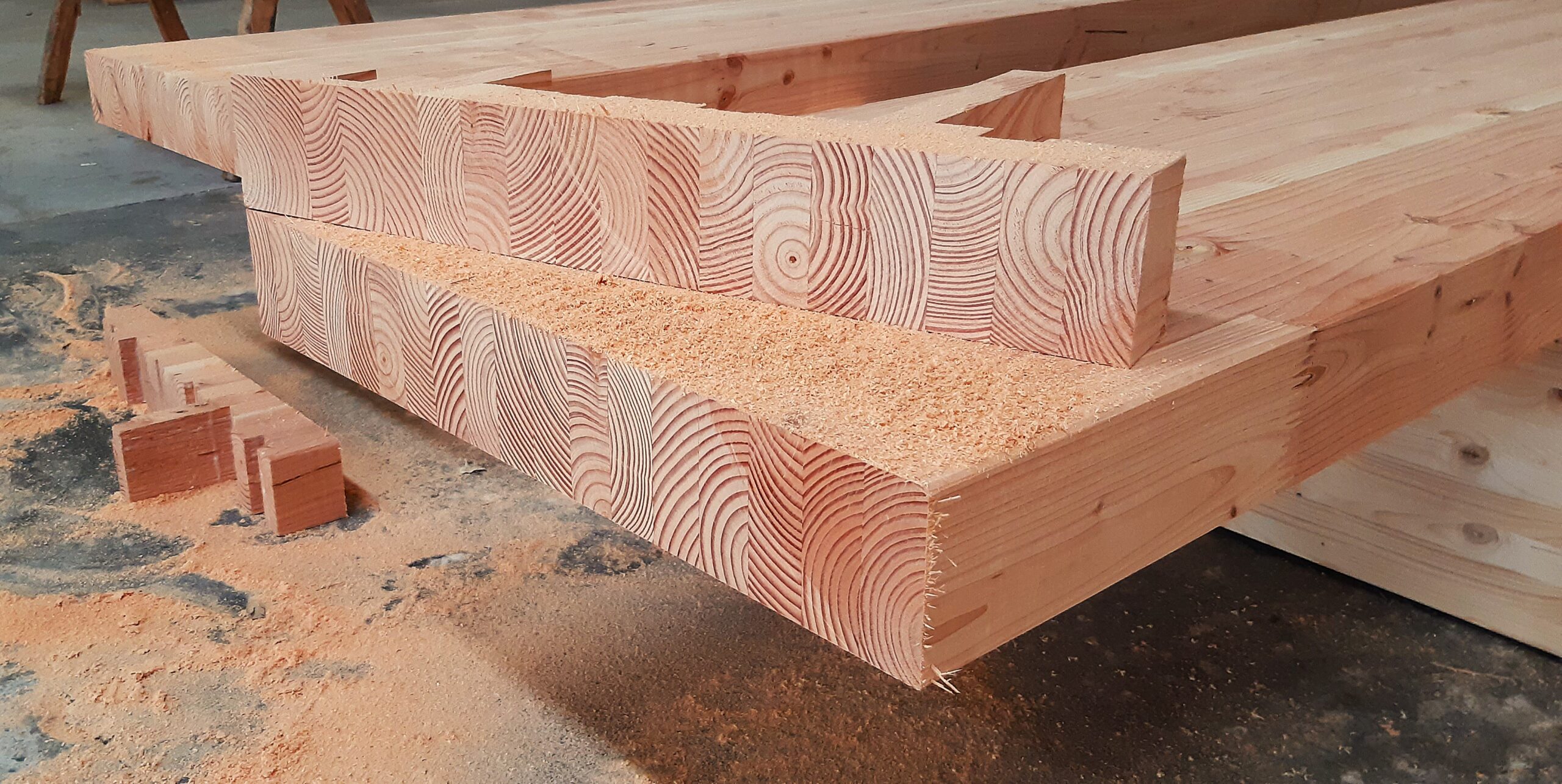
I'm using a board that I got as a Chrismas present. It's cut out in one piece from a trunk. I have a couple of other boards made from "glue wood"[1], but they are just spares that I use if the other one is in the dishwasher.
[1] "Glue wood" is a translation of the Danish word. It's wood pieces
that is assembled with glue. What is that called in English?
[1] "Glue wood" is a translation of the Danish word. It's wood pieces
that is assembled with glue. What is that called in English?
That's probably some kind of laminated wood, or even plywood.
Den 24.11.2026 kl. 14.00 skrev Carlo XYZ:
[1] "Glue wood" is a translation of the Danish word. It's wood pieces
that is assembled with glue. What is that called in English?
That's probably some kind of laminated wood, or even plywood.
Neither. It's (small) blocks of wood glued together side by side:
https://flexwood.dk/wp-content/uploads/20210505_152339-3-scaled.jpg
https://flexwood.dk/wp-content/uploads/20210505_152339-3-scaled.jpg
Well, that IS "laminated" wood. To laminate means to bond layers
together. In this case, wood blocks bonded to other wood blocks with
an adhesive.
Den 24.11.2026 kl. 16.59 skrev Tony Cooper:
https://flexwood.dk/wp-content/uploads/20210505_152339-3-scaled.jpg
Well, that IS "laminated" wood. To laminate means to bond layers
together. In this case, wood blocks bonded to other wood blocks with
an adhesive.
Okay. I'm just used to the Danish meaning of "lamineret" - thin layers
of material glued on to a wooden surface.
On Mon, 23 Nov 2026 15:13:38 -0800, Snidely <snidely.too@gmail.com> scribbled:
... get yer titanium cutting board now! [1]. The part that
surprised me though was the claim that this metal board won't dull
knives. Something with the hardness and durability of titanium doesn't
dull knives?
Washes off easily and doesn't show signs of knife scars.
Snidely <snidely.too@gmail.com> wrote:
Ok, silly title, and this point is only sammy-adjacent, not full on
Shepherd's Pie.
I've been going through some streams on a service I don't have premium
with, so seeing lots of ads. Mostly snake oil, but the one that kinda
fits AUE's idea of foodsontopic is for a cutting board. Many of us
have abandoned plastic cutting boards since they have tested to be
worse than wood for retaining comtaminents and haven't been as nice to
knives as originally claimed. I'm using bamboo, myself. This ad goes
farther ... get yer titanium cutting board now! [1]. The part that
surprised me though was the claim that this metal board won't dull
knives. Something with the hardness and durability of titanium doesn't
dull knives?
Further from the center of AUE topics, I'm also curious about the
amount of titanium now in circulation. Is it all recycled from the
hulls of those Soviet Alfa subs, or is titanium not embargoed? Ore
found elsewhere?
Titanium isn't a rare element at all,
it is found in many places all over the world.
There really is no need for Soviet subs to obtain it in quantity.
You can dismantle old 747s instead.
'Everybody' owns some, in the form of those golden
Titanium nitride coated drill bits,
(aka TiN)
Jan
On Tuesday or thereabouts, J. J. Lodder declared ...
Titanium isn't a rare element at all,
it is found in many places all over the world.
My understanding is that useful ore deposits weren't as common as
titanium oxide. There is, after all, the story of the CIA finding ways
of buying Soviet titanium for building the A-12 and the SR-71.
There really is no need for Soviet subs to obtain it in quantity.
You can dismantle old 747s instead.
'Everybody' owns some, in the form of those golden
Titanium nitride coated drill bits,
(aka TiN)
And perhaps in white paint, well-oxidized.
Den 24.11.2026 kl. 14.00 skrev Carlo XYZ:
[1] "Glue wood" is a translation of the Danish word. It's wood pieces
that is assembled with glue. What is that called in English?
That's probably some kind of laminated wood, or even plywood.
Neither. It's (small) blocks of wood glued together side by side:
https://flexwood.dk/wp-content/uploads/20210505_152339-3-scaled.jpg
On 24/11/2026 14:28, Bertel Lund Hansen wrote:
Den 24.11.2026 kl. 14.00 skrev Carlo XYZ:In English, the name seems to vary somewhat, but the word "block"
Neither. It's (small) blocks of wood glued together side by side:[1] "Glue wood" is a translation of the Danish word. It's wood
pieces that is assembled with glue. What is that called in
English?
That's probably some kind of laminated wood, or even plywood.
https://flexwood.dk/wp-content/uploads/20210505_152339-3-scaled.jpg
usually appears in the description (glue is obviously involved, but
never mentioned).
Snidely <snidely.too@gmail.com> wrote:
Ok, silly title, and this point is only sammy-adjacent, not full on
Shepherd's Pie.
I've been going through some streams on a service I don't have premium
with, so seeing lots of ads. Mostly snake oil, but the one that kinda
fits AUE's idea of foodsontopic is for a cutting board. Many of us
have abandoned plastic cutting boards since they have tested to be
worse than wood for retaining comtaminents and haven't been as nice to
knives as originally claimed. I'm using bamboo, myself. This ad goes
farther ... get yer titanium cutting board now! [1]. The part that
surprised me though was the claim that this metal board won't dull
knives. Something with the hardness and durability of titanium doesn't
dull knives?
Further from the center of AUE topics, I'm also curious about the
amount of titanium now in circulation. Is it all recycled from the
hulls of those Soviet Alfa subs, or is titanium not embargoed? Ore
found elsewhere?
Titanium isn't a rare element at all,
it is found in many places all over the world.
There really is no need for Soviet subs to obtain it in quantity.
You can dismantle old 747s instead.
'Everybody' owns some, in the form of those golden
Titanium nitride coated drill bits,
(aka TiN)
We're still using the hardwood chopping board that was a wedding present. Only 56 years of daily use so it's hardly run in yet.
Being made of tropical hardwood, some people would insist that we throw
it away and buy something more 'sustainable' - since a knee-jerk
response is far easier than thinking.
On Tue, 24 Nov 2026 17:12:58 +0100, Bertel Lund Hansen <rundtosset@lundhansen.dk> wrote:
Den 24.11.2026 kl. 16.59 skrev Tony Cooper:
https://flexwood.dk/wp-content/uploads/20210505_152339-3-scaled.jpg
Well, that IS "laminated" wood. To laminate means to bond
layers together. In this case, wood blocks bonded to other wood
blocks with an adhesive.
Okay. I'm just used to the Danish meaning of "lamineret" - thin
layers of material glued on to a wooden surface.
Most kitchen and bathroom cabinetry in the US is made that way.
Sheets of material (ie: Formica) are adhered to plywood or particle
board. The sheets have a wood grain appearance, so the cabinet
appears to made of the wood in the design.
The countertops of those cabinets used to also be a Formica surface,
but the trend now is to have granite or stone (or faux stone)
countertops.
On 25/11/26 03:36, Tony Cooper wrote:
On Tue, 24 Nov 2026 17:12:58 +0100, Bertel Lund Hansen
<rundtosset@lundhansen.dk> wrote:
Den 24.11.2026 kl. 16.59 skrev Tony Cooper:
https://flexwood.dk/wp-content/uploads/20210505_152339-3-scaled.jpg
Well, that IS "laminated" wood. To laminate means to bond
layers together. In this case, wood blocks bonded to other wood
blocks with an adhesive.
Okay. I'm just used to the Danish meaning of "lamineret" - thin
layers of material glued on to a wooden surface.
Most kitchen and bathroom cabinetry in the US is made that way.
Sheets of material (ie: Formica) are adhered to plywood or particle
board. The sheets have a wood grain appearance, so the cabinet
appears to made of the wood in the design.
Plywood is also made from thin layers glued together.
What Bertel is describing doesn't use thin layers. Instead of stacked
thin layers, you have larger pieces of wood assembled side by side. I wouldn't call that laminated, but apparently some people do.
The countertops of those cabinets used to also be a Formica surface,
but the trend now is to have granite or stone (or faux stone)
countertops.
Real stone counter tops are now hard to get in Australia. The laws were changed to protect all the stonemasons who were dying of lung disease.
On 11/25/2026 7:48 AM, Peter Moylan wrote:
On 25/11/26 03:36, Tony Cooper wrote:
On Tue, 24 Nov 2026 17:12:58 +0100, Bertel Lund Hansen
<rundtosset@lundhansen.dk> wrote:
Den 24.11.2026 kl. 16.59 skrev Tony Cooper:
https://flexwood.dk/wp-content/uploads/20210505_152339-3-scaled.jpg >>>>>Well, that IS "laminated" wood. To laminate means to bond
layers together. In this case, wood blocks bonded to other wood
blocks with an adhesive.
Okay. I'm just used to the Danish meaning of "lamineret" - thin
layers of material glued on to a wooden surface.
Most kitchen and bathroom cabinetry in the US is made that way.
Sheets of material (ie: Formica) are adhered to plywood or particle
board. The sheets have a wood grain appearance, so the cabinet
appears to made of the wood in the design.
Plywood is also made from thin layers glued together.
What Bertel is describing doesn't use thin layers. Instead of stacked
thin layers, you have larger pieces of wood assembled side by side. I
wouldn't call that laminated, but apparently some people do.
The countertops of those cabinets used to also be a Formica surface,
but the trend now is to have granite or stone (or faux stone)
countertops.
Real stone counter tops are now hard to get in Australia. The laws were
changed to protect all the stonemasons who were dying of lung disease.
Is it really that hard to wear "oxygen masks" [1] while working stone?
Den 24.11.2026 kl. 03.37 skrev Sam Plusnet:
We have one of those kitchen cutting boards with a "titanium" side and
a plastic side. My wife wanted it because our previous cutting board
was plastic and and she felt plastic particles would get into the
food.
It's an OK cutting board, but hardly something that excites me to own.
Washes off easily and doesn't show signs of knife scars.
We're still using the hardwood chopping board that was a wedding present.
Only 56 years of daily use so it's hardly run in yet.
I'm using a board that I got as a Chrismas present. It's cut out in one >piece from a trunk. I have a couple of other boards made from "glue >wood"[1], but they are just spares that I use if the other one is in the >dishwasher.
[1] "Glue wood" is a translation of the Danish word. It's wood pieces
that is assembled with glue. What is that called in English?
Okay. I'm just used to the Danish meaning of "lamineret" - thin layers
of material glued on to a wooden surface.
Most kitchen and bathroom cabinetry in the US is made that way. Sheets
of material (ie: Formica) are adhered to plywood or particle board.
The sheets have a wood grain appearance, so the cabinet appears to
made of the wood in the design.
The countertops of those cabinets used to also be a Formica surface,
but the trend now is to have granite or stone (or faux stone)
countertops.
Real stone counter tops are now hard to get in Australia. The laws were changed to protect all the stonemasons who were dying of lung disease.
Bertel Lund Hansen wrote on 24.11.26 10:42:
I'm using a board that I got as a Chrismas present. It's cut out in one
piece from a trunk. I have a couple of other boards made from "glue
wood"[1], but they are just spares that I use if the other one is in the
dishwasher.
[1] "Glue wood" is a translation of the Danish word. It's wood pieces
that is assembled with glue. What is that called in English?
That's probably some kind of laminated wood, or even plywood.
Tony Cooper submitted this gripping article, maybe on Monday:
On Mon, 23 Nov 2026 15:13:38 -0800, Snidely <snidely.too@gmail.com>
scribbled:
[...]
... get yer titanium cutting board now! [1]. The part that
surprised me though was the claim that this metal board won't dull
knives. Something with the hardness and durability of titanium doesn't >>> dull knives?
Washes off easily and doesn't show signs of knife scars.
Not showing signs of knife scars is a different property than not
dulling knives.
On 2026-11-24, Carlo XYZ wrote:
Bertel Lund Hansen wrote on 24.11.26 10:42:
I'm using a board that I got as a Chrismas present. It's cut out in one
piece from a trunk. I have a couple of other boards made from "glue
wood"[1], but they are just spares that I use if the other one is in the >> dishwasher.
[1] "Glue wood" is a translation of the Danish word. It's wood pieces
that is assembled with glue. What is that called in English?
That's probably some kind of laminated wood, or even plywood.
I doubt it: for a chopping board he probably means pieces of wood
glued together side-by-side with the end grain forming the working
surface. I can't remember the term for it, though!
Adam Funk <a24061@ducksburg.com> wrote:
On 2026-11-24, Carlo XYZ wrote:
Bertel Lund Hansen wrote on 24.11.26 10:42:
I'm using a board that I got as a Chrismas present. It's cut out in one >>>> piece from a trunk. I have a couple of other boards made from "glue
wood"[1], but they are just spares that I use if the other one is in the >>>> dishwasher.
[1] "Glue wood" is a translation of the Danish word. It's wood pieces
that is assembled with glue. What is that called in English?
That's probably some kind of laminated wood, or even plywood.
I doubt it: for a chopping board he probably means pieces of wood
glued together side-by-side with the end grain forming the working
surface. I can't remember the term for it, though!
Butcher's block will do, I think,
Den 24.11.2026 kl. 16.59 skrev Tony Cooper:
https://flexwood.dk/wp-content/uploads/20210505_152339-3-scaled.jpg
Well, that IS "laminated" wood. To laminate means to bond layers
together. In this case, wood blocks bonded to other wood blocks with
an adhesive.
Okay. I'm just used to the Danish meaning of "lamineret" - thin layers
of material glued on to a wooden surface.
On 25/11/26 03:12, Bertel Lund Hansen wrote:
Den 24.11.2026 kl. 16.59 skrev Tony Cooper:
https://flexwood.dk/wp-content/uploads/20210505_152339-3-scaled.jpg
Well, that IS "laminated" wood. To laminate means to bond layers
together. In this case, wood blocks bonded to other wood blocks with
an adhesive.
Okay. I'm just used to the Danish meaning of "lamineret" - thin layers
of material glued on to a wooden surface.
Much the same in English. The word "laminate" comes from the Latin for a
thin slice or layer, so it's inappropriate for blocks that are not thin slices.
On Tue, 24 Nov 2026 10:42:26 +0100, Bertel Lund Hansen <rundtosset@lundhansen.dk> wrote:
Den 24.11.2026 kl. 03.37 skrev Sam Plusnet:
We have one of those kitchen cutting boards with a "titanium" side and >>> a plastic side. My wife wanted it because our previous cutting board
was plastic and and she felt plastic particles would get into the
food.
It's an OK cutting board, but hardly something that excites me to own. >>>
Washes off easily and doesn't show signs of knife scars.
We're still using the hardwood chopping board that was a wedding present. >> Only 56 years of daily use so it's hardly run in yet.
I'm using a board that I got as a Chrismas present. It's cut out in one >piece from a trunk. I have a couple of other boards made from "glue >wood"[1], but they are just spares that I use if the other one is in the >dishwasher.
[1] "Glue wood" is a translation of the Danish word. It's wood pieces
that is assembled with glue. What is that called in English?
I don't have a name for them but would say they are made from
laminated wood, and in many of them the glue comes unstuck. But solid
ones are hard to get. One day I might go to a timber yard and ask them
to saw off the end of a plank for me.
Steve Hayes <hayesstw@telkomsa.net> wrote:
On Tue, 24 Nov 2026 10:42:26 +0100, Bertel Lund Hansen
<rundtosset@lundhansen.dk> wrote:
Den 24.11.2026 kl. 03.37 skrev Sam Plusnet:
We have one of those kitchen cutting boards with a "titanium" side and >> >>> a plastic side. My wife wanted it because our previous cutting board
was plastic and and she felt plastic particles would get into the
food.
It's an OK cutting board, but hardly something that excites me to own. >> >>>
Washes off easily and doesn't show signs of knife scars.
We're still using the hardwood chopping board that was a wedding present. >> >> Only 56 years of daily use so it's hardly run in yet.
I'm using a board that I got as a Chrismas present. It's cut out in one
piece from a trunk. I have a couple of other boards made from "glue
wood"[1], but they are just spares that I use if the other one is in the
dishwasher.
[1] "Glue wood" is a translation of the Danish word. It's wood pieces
that is assembled with glue. What is that called in English?
I don't have a name for them but would say they are made from
laminated wood, and in many of them the glue comes unstuck. But solid
ones are hard to get. One day I might go to a timber yard and ask them
to saw off the end of a plank for me.
The reason for inventing glued cutting boards
was that they were less prone to splitting than the one-piece things,
I'm not sure of a technical term for butcher's block assembly, although "glue-up" applies as an informal term.
On 25/11/2026 21:49, J. J. Lodder wrote:
Adam Funk <a24061@ducksburg.com> wrote:
On 2026-11-24, Carlo XYZ wrote:
Bertel Lund Hansen wrote on 24.11.26 10:42:
I'm using a board that I got as a Chrismas present. It's cut out in one >>>> piece from a trunk. I have a couple of other boards made from "glue
wood"[1], but they are just spares that I use if the other one is in the >>>> dishwasher.
[1] "Glue wood" is a translation of the Danish word. It's wood pieces >>>> that is assembled with glue. What is that called in English?
That's probably some kind of laminated wood, or even plywood.
I doubt it: for a chopping board he probably means pieces of wood
glued together side-by-side with the end grain forming the working
surface. I can't remember the term for it, though!
Butcher's block will do, I think,
Probably, but I tend to distinguish between two types.--
A butcher's block which is heavily constructed out of a (usually) fairly soft wood and designed to take heavy impacts from a large knife or cleaver.
A cutting board - lighter construction, and a harder wood. Used as a surface on which to cut and slice rather than hack.
--
Sam Plusnet
The reason for inventing glued cutting boards
was that they were less prone to splitting than the one-piece things,
BTW, modern butchers blocks fake it.
They may have steel tension bars inside.
With for the tell-tale circles.
J. J. Lodder wrote in article <1s56lm6.1a5cnxh1ev8k5sN%nospam@de- ster.demon.nl>:
The reason for inventing glued cutting boards
was that they were less prone to splitting than the one-piece things,
How interesting. That does make sense.
BTW, modern butchers blocks fake it.
They may have steel tension bars inside.
With for the tell-tale circles.
A metal cutting board seems simpler all around.
data: api.nasa.gov (APOD, NeoWs)
| Sysop: | cequra |
|---|---|
| Location: | Grimsby United Kingdom |
| Users: | 4 |
| Nodes: | 4 (0 / 4) |
| Uptime: | 498853:11:06 |
| Calls: | 197 |
| Files: | 8,821 |
| D/L today: |
30 files (9,864K bytes) |
| Messages: | 39,038 |